Having traded the relentless noise of London for a quieter life in Bulgaria a few years back, my morning coffee ritual usually involves watching fog rise over mountain valleys rather than dodging commuters on the Tube. When I first visited Rila, tucked away in the deep pine forests of the Rila range, the immediate sense of calm took my breath away. However, maintaining that spiritual peace across a working monastery requires strict rules. Rila Monastery is not an open-air museum constructed for tourists; it is a sacred, living sanctuary where Eastern Orthodox monks live, pray, and work every single day.
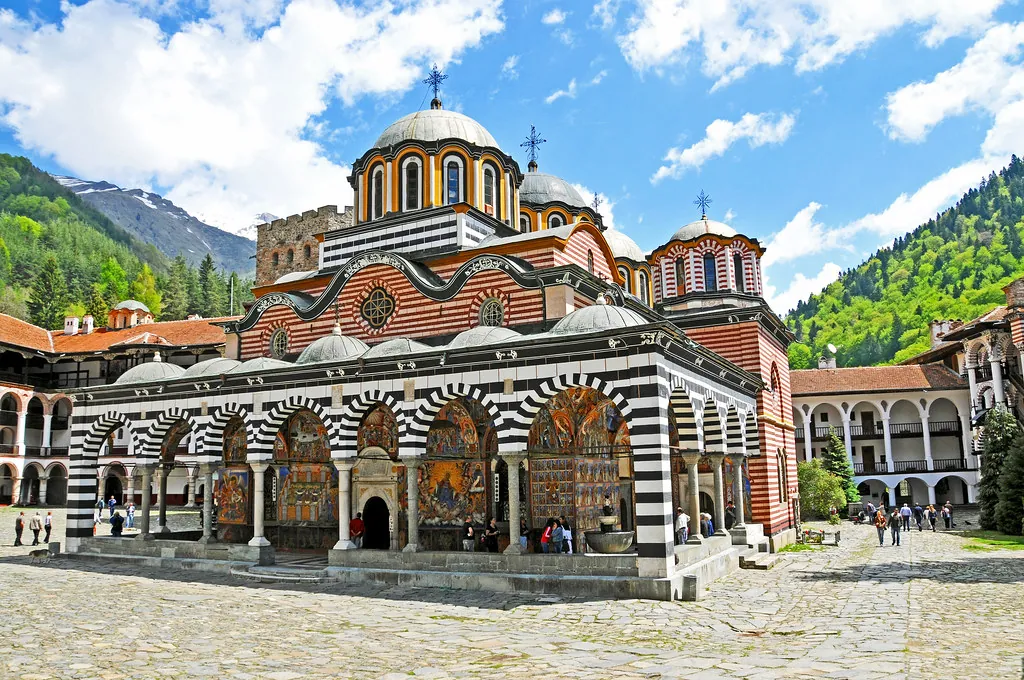
Sacred Reverence in the Rila Valley
The monastery sits at a high altitude of roughly 1,147 metres above sea level, surrounded by steep granite peaks and dense forests. This elevated location keeps the air fresh and cool even in peak summer, but it also creates an isolated atmosphere that the monks have guarded for over a millennium. As an official UNESCO World Heritage Site, as recognized by the UNESCO World Heritage List, the site receives hundreds of thousands of visitors each year. Balancing open hospitality with monastic discipline is a delicate task, which is why the resident brotherhood enforces explicit guidelines for everyone entering the gates.
If you are planning your journey from the capital, our detailed guide on planning a day trip from Sofia provides a complete breakdown of driving routes and shuttle schedules. Before you arrive at the heavy oak gates, understanding what to wear, how to behave inside the church, and when the gates close will ensure a proper, respectful visit.
Operational Hours and Seasonal Schedules
Understanding the rila monastery hours is essential, especially if you plan to visit secondary sites on the grounds or travel during the autumn and winter months when daylight hours shorten dramatically. While the main courtyard remains open for long hours, museum access varies by season.
| Section of Complex | Summer Hours (June 1 – Sept 30) | Winter Hours (Oct 1 – May 31) |
|---|---|---|
| Main Courtyard & Gates | 7:00 AM – 8:00 PM Daily | 7:00 AM – 8:00 PM Daily |
| History Museum & Exhibitions | 8:30 AM – 7:30 PM Daily | 8:30 AM – 4:30 PM Daily |
| Hrelyo’s Tower (Bell Tower) | 8:30 AM – 7:30 PM Daily | Closed for Winter |
| Ethnographic Museum & Guestrooms | 8:30 AM – 7:30 PM Daily | 8:30 AM – 4:30 PM Daily |
During summer weekends, the History Museum sometimes extends evening hours until 7:30 PM, but ticket sales close prompt 30 minutes before shut down. To explore all internal exhibits without rushing, aim to arrive before midday.
Admission Fees and Museum Tickets
Access to the primary monastery complex and courtyard is free for all visitors. You do not need a ticket to walk through the main gates, marvel at the exterior frescoes, or enter the main church for prayer. However, supporting the preservation of this historical site through museum tickets is highly recommended.
- Main Courtyard & Church: Free admission for all visitors.
- History Museum (housing Raphael’s Cross): 8 BGN (~4 EUR) for adults; 2 BGN for students and children.
- Ethnographic Museum, Revival Guestrooms & Monastic Kitchen: 5 BGN for adults; 2 BGN for students.
- Hrelyo’s Tower: 5 BGN for adults; 1 BGN for students (open June through September only).
If you prefer an organized excursion with direct transit and an English-speaking guide, check our comprehensive guide to tickets and guided tours. You can also explore options via the Official Tourism Portal of Bulgaria for official cultural itineraries across the region.
Strict Dress Code Policy: What to Wear
The dress code at Rila Monastery is strictly monitored by guards stationed at the heavy entrance gates and at the threshold of the main church. Standard beachwear, gym clothing, or casual summer attire will result in entry being flatly refused.
Acceptable Attire
- Trousers or jeans covering the ankles for men and women.
- Long skirts or dresses reaching well below the knees.
- Shirts, blouses, or t-shirts that fully cover the shoulders and chest.
- Comfortable walking shoes suitable for stone cobbles.
Prohibited Attire
- Shorts of any length for both men and women.
- Tank tops, strapless tops, halter tops, or low-cut vests.
- Mini-skirts, short dresses, or activewear leggings.
- Hats, caps, or hoods inside the main church.
“On warm summer afternoons, temperatures in the valley can climb, but the mountain shade remains cool. I always advise keeping a light shawl or linen scarf tucked into your bag. You can wrap it around bare shoulders or lower legs before stepping through the gates.”
— Julian Thorne
Inside the Main Church: Unforgiving Sacred Rules
The central church, dedicated to the Nativity of the Holy Virgin, is the spiritual core of the complex. While its exterior porticoes feature colorful frescoes, the interior is a darkened, sacred space filled with golden iconostases and centuries of candle soot. The monks require strict adherence to traditional Orthodox decorum inside this room.
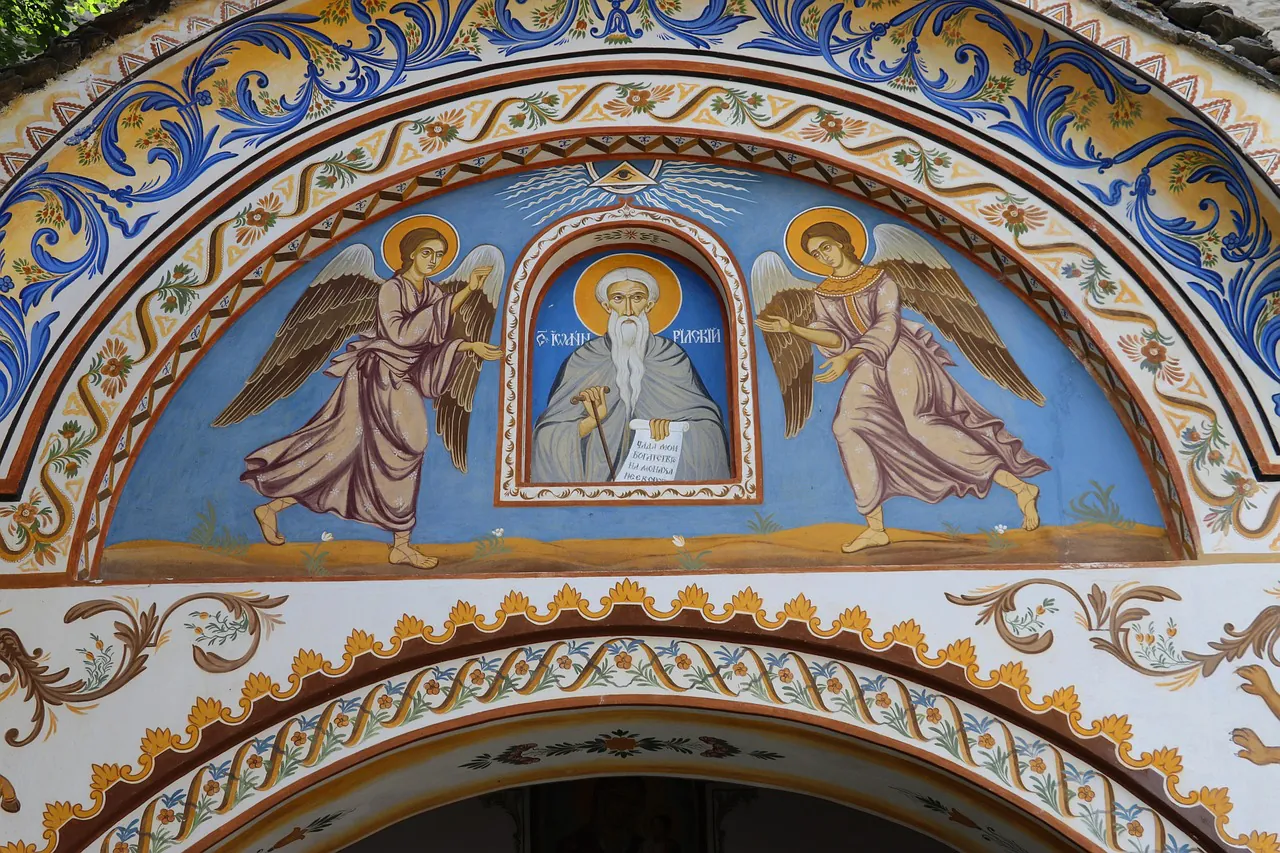
When stepping across the threshold into the central sanctuary, observe the following non-negotiable rules:
- Remove Headwear: Men must remove hats, caps, and beanies immediately upon entering. Women may wear headscarves, though it is not strictly mandatory for non-Orthodox visitors.
- Take Off Sunglasses: Wearing sunglasses inside the darkened church is viewed as deeply disrespectful to the icons and holy relics.
- Hands Out of Pockets: Standing with your hands shoved into your trousers or jacket pockets is seen as casual arrogance in Orthodox tradition; keep your hands by your side.
- Bulky Backpacks Outside: Large rucksacks can accidentally scrape fragile, historical frescoes along narrow aisles. Security guards will ask you to leave large bags near the entrance alcove.
- Quiet Reverence: Speak only in hushed whispers or maintain complete silence. Do not disrupt local worshippers or monks engaged in prayer.
To understand why these traditions run so deep in Bulgarian culture, read our guide on Orthodox vs Catholic faith in Bulgaria, which details the historical role of Eastern Orthodoxy in preserving national identity.
Photography and Videography Bans
Photography rules at Rila are absolute and strictly enforced by watchful attendants. You are free to take outdoor photos in the open courtyard, capturing the striking black-and-white striped archways, the mountain backdrop, and the exterior portico frescoes. However, flash photography outdoors should still be used sparingly to avoid damaging sensitive pigments on exposed walls.
Inside the main church, the History Museum, and all interior exhibits, photography and video recording are strictly forbidden. Flash light damages delicate golden leaf coatings and antique oil paints on early icons. Camera shutter clicks also shatter the quiet contemplation required for prayer. If attendants catch you taking photos on mobile phones inside the church, they will pull you aside and demand that you delete the photos immediately.
General Conduct and Prohibited Items
Maintaining a tranquil atmosphere across a space visited by thousands daily requires general respect. The whole monastry yard operates under quiet-zone standards.
- No Smoking: Smoking is prohibited across the entire inner courtyard, porticoes, and museum spaces. If you need to smoke, step completely outside the main stone gates into the designated parking area.
- No Pets Allowed: Domestic animals, including dogs on leads, are not permitted inside the complex yard or church buildings.
- Pram Restrictions: Perambulators and large pushchairs are not allowed inside the main church due to narrow pathways and delicate timber flooring.
- No Drones: Operating unmanned aerial vehicles (drones) over the monastery or surrounding nature reserve without prior written permission from monastic authorities and national park officials is illegal.
Residential Quarters: Upper Floor Restrictions
The multi-tiered wooden balconies framing the central courtyard house the living quarters for resident monks, administrative offices, and guest rooms. Day visitors often wonder if they can climb the picturesque stone staircases to take photos from the upper balconies.
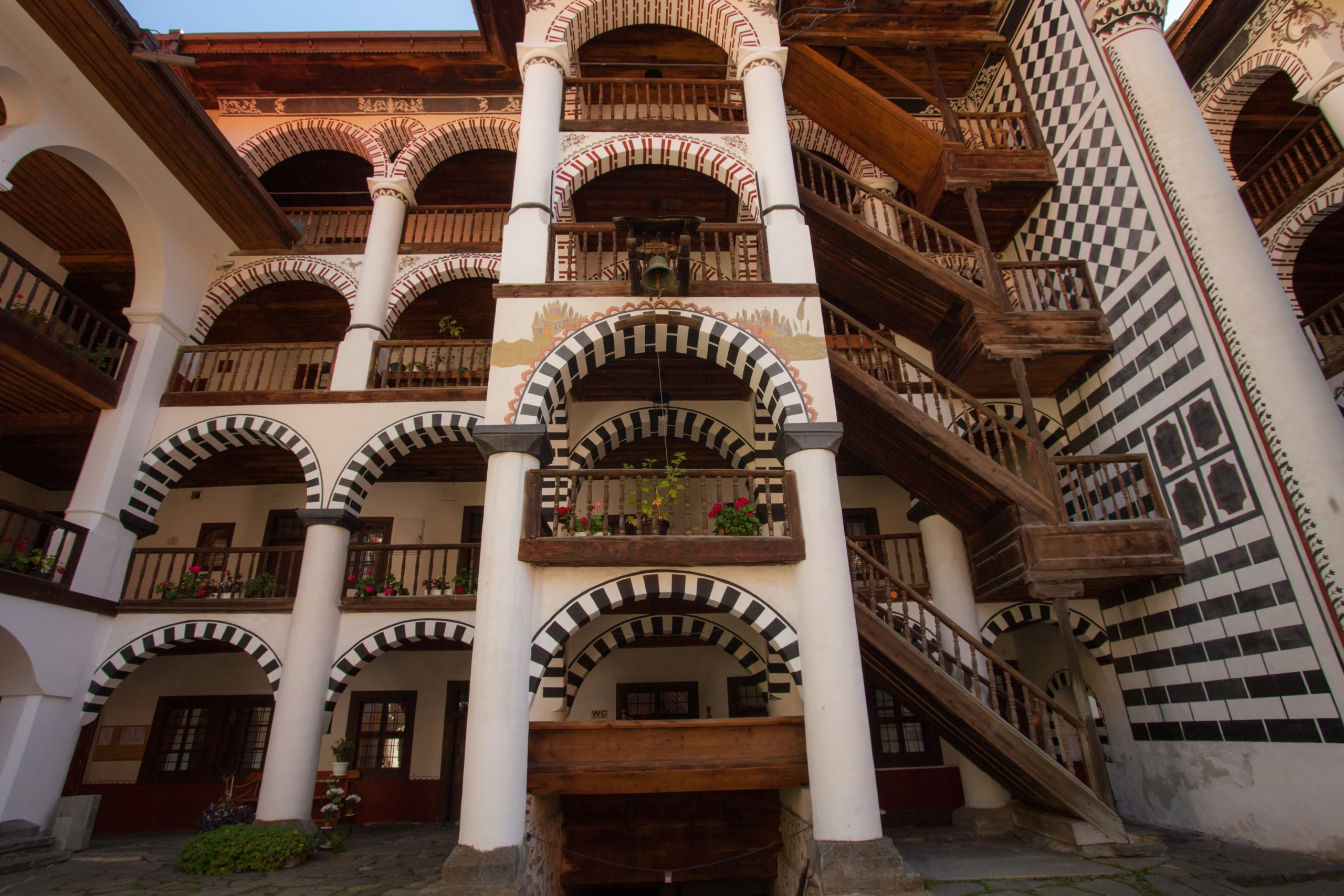
The upper residential floors are strictly off-limits to day trippers. Rope barriers and explicit bilingual signs block access to the staircases. The only exception is for registered overnight guests staying in the monastic rooms or visitors who have purchased entry to the Ethnographic Museum section located on the first level. Climbing these stairs without authorization disrupts the solitude of the working monks that is something you should keep an eye out for.
Staying Overnight: Monastic Guest Rooms
For travelers seeking a deeper spiritual experience, can you sleep in rila monastery? Yes, overnight lodging is open to respectful travelers and pilgrims inside the historic guest wings. The rila monastery rooms offer simple, clean, spartan accommodation without modern luxury distractions like television or air conditioning.
Rooms cost approximately 30 BGN (~15 EUR) per person per night. The guest quarters offer single, double, and dormitory-style arrangements with basic wooden beds, heavy blankets, and shared or private basic bathrooms depending on availability. Staying overnight lets you experience the quiet courtyard at dusk after day-trip buses depart and hear the morning wooden mallet chime calling monks to morning service at 6:00 AM.
How to Book a Room Directly
Monastic guest rooms cannot be reserved through standard commercial online booking engines. Beware of third-party websites claiming to offer online booking for high service fees. To secure a room, you must deal directly with the brotherhood.
- Direct Telephone Contact: Call the monastery reception office directly at
+359 896 872 010. - Recommended Calling Hours: Monks manage reception between daily prayer services. Best times to call are 2:30 PM – 4:00 PM or 6:00 PM – 7:00 PM local Bulgarian time.
- Messaging Apps: You can also send formal booking inquiries via Viber or WhatsApp to the same mobile number.
- Monastery Gate Curfew: Outer gates lock strictly at 8:00 PM. Registered overnight guests must return inside before curfew.
If you are planning an extended journey through the region, our Bulgaria travel itinerary highlights how to pair an overnight stay in Rila with nearby scenic hikes and historic mountain towns.
Practical Logistics: Cash, Restrooms, Altitude & Parking
Because the complex is located deep inside the Rila Nature Park, digital services and mobile connectivity can occasionally fluctuate. Planning ahead with basic cash and logistics will save you minor headaches on site.
Cash Requirements
Card machines inside the museum ticket office can experience connectivity drops. Always carry Bulgarian Leva (BGN) cash for museum entry, parking attendants, bakery treats, and souvenir stalls outside the gates.
Restroom Facilities
Public toilets are located outside the main stone gates near the parking area. Entry costs 1 BGN per person. Turnstiles require exact 1 Lev coins, so carry loose change in your pockets before arriving.
Parking immediately outside the main gate costs a flat fee of roughly 5 BGN per vehicle, collected by an attendant in a reflective jacket. During peak summer weekends, this lot fills quickly by mid-morning, requiring late arrivals to park further down the access road.
Keep in mind that the local rila monastery altitude sits at over 1,100 metres, meaning weather conditions change quickly. Check current forecasts and mountain conditions before driving up through the winding valley roads.
If you are organizing your trip using public buses or rental cars, review our complete breakdown of transportation options to Rila Monastery, including bus routes from Sofia’s *Ovcha Kupel* bus station and regional rail options hosted on Bulgarian State Railways.
Frequently Asked Questions
Is the Rila Monastery worth visiting?
What is the Rila Monastery famous for?
Can you sleep in Rila Monastery?
Can anyone stay at a monastery hotel?
How much does it cost to visit the Rila Monastery?
Can I take a day trip to Rila Monastery from Sofia?
What to be careful of in Bulgaria when visiting sacred sites?
By treating this active sacred space with reverence and arriving properly prepared, you ensure that the centuries-old tranquility of the Rila valley remains intact for every traveler who follows in your footsteps.