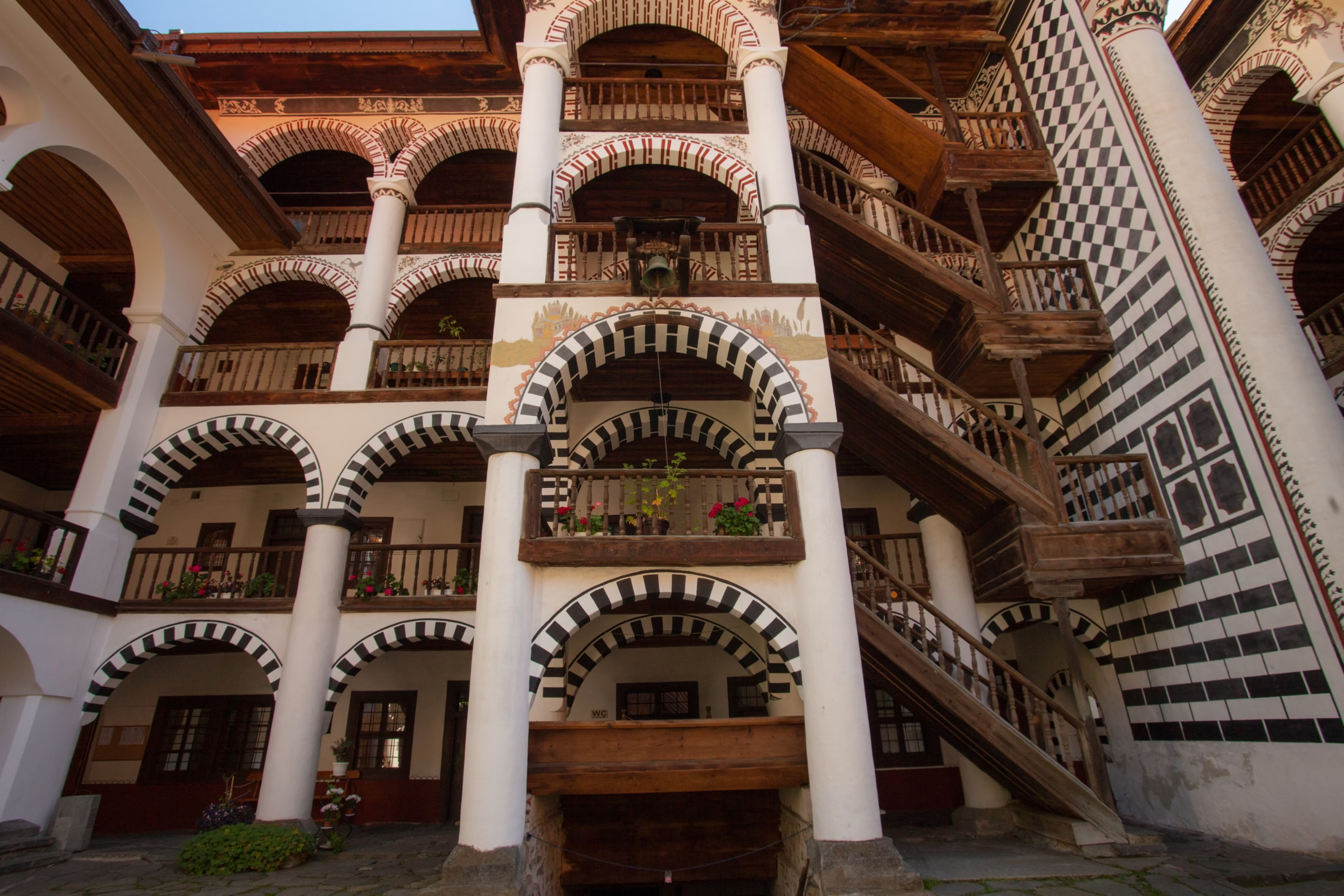
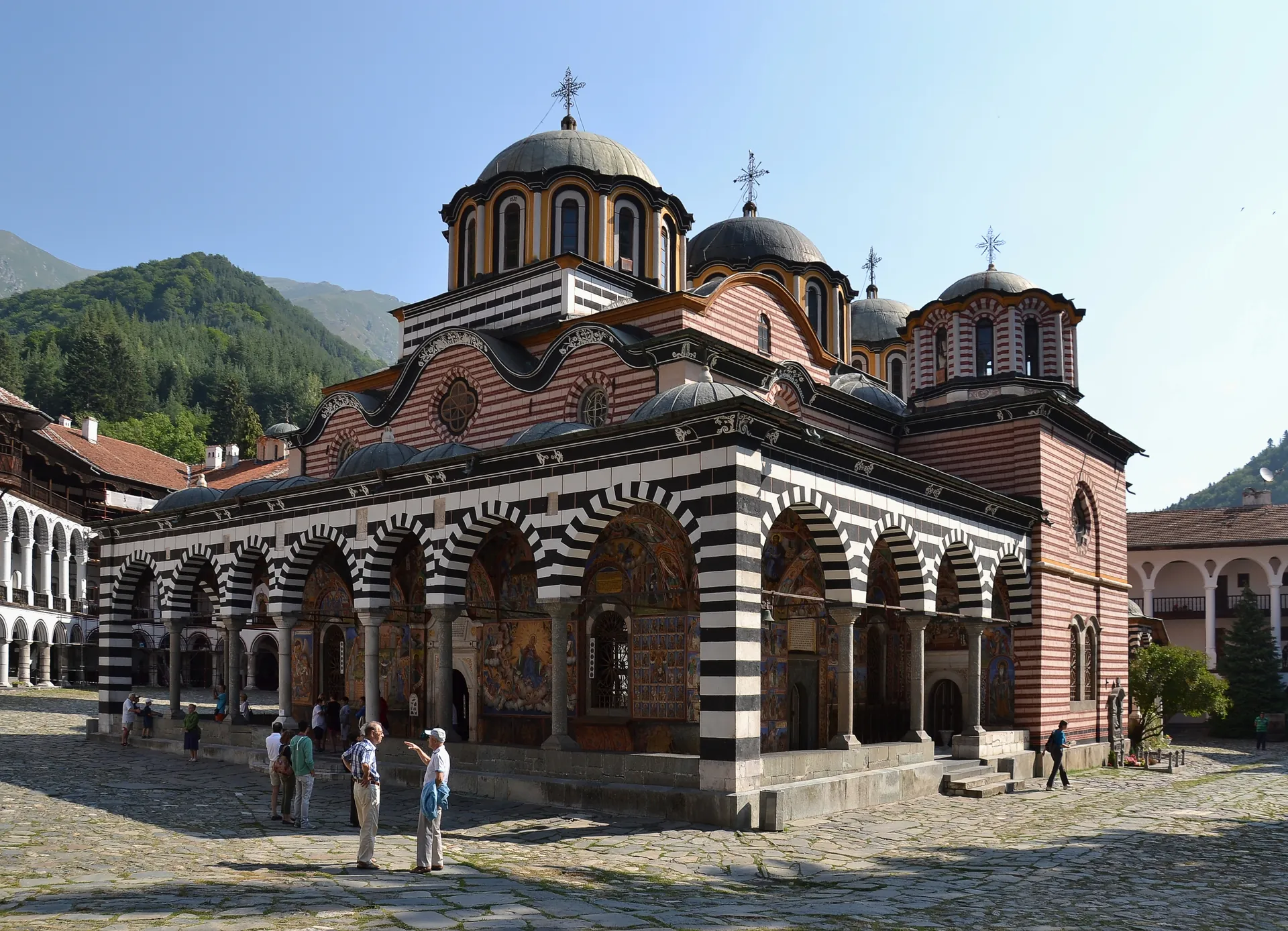
Having lived in Bulgaria for over six years now, my favourite ritual whenever I return to the Rila Valley involves arriving early, buying a hot coffee from the small kiosk near the stream, and sitting on the cold stone step near the outer gate before the bus tours arrive. From here, watching the morning mist rise off the granite peaks while sunlight hits the black, white, and red arches of the main courtyard feels like stepping into a quieter century. Most day-trippers rush straight into the central Nativity Church, marvel at the heavy gold iconostasis, and leave within forty-five minutes. That hurried visit barely touches the layered history tucked away inside this valley.
Beyond the primary sanctuary lies an extraordinary collection of treasures, historical exhibits, and secluded trails. Whether your goal is examining microscopic woodcarvings inside the rila monastery museum, taking a peaceful rila monastery hike through the surrounding ancient forests of the nature park rila monastery, or discovering prime vantage points to capture unforgettable rila monastery photos, taking time to explore the entire site reveals why this remains Bulgaria’s ultimate spiritual sanctuary. To plan the logistics of your journey from Sofia or other cities, see our complete transportation and driving guide.
The History Museum & Raphael’s Cross
Located directly behind the main Nativity of the Virgin Mary church inside the enclosed courtyard, the primary History Museum holds the intellectual and artistic legacy of the cloister. The museum contains rare medieval manuscripts written in Old Church Slavonic, gilded chalices, royal charters issued by Bulgarian tsars, and ornate clerical vestments woven with gold thread. Details on general entry procedures across the grounds are outlined in our ultimate guide to Rila Monastery.
The unquestioned center of the exhibit is Raphael’s Cross. Carved from a single piece of dense walnut wood measuring 81 centimetres in height, this crucifix represents twelve years of painstaking labor (1790–1802) by a monk named Raphael from Bansko. Working with fine chisels and magnifying lenses, Raphael carved 104 distinct biblical scenes containing between 600 and 650 individual human figures, some no larger than a grain of rice. Upon finishing the final details of this incredible work, the monk tragically lost his sight completely.
| Ticket Category | Price (BGN) | Approx. Price (EUR) |
|---|---|---|
| Adult Museum Entry | 8 BGN | ~4 EUR |
| Students / Children | 2 BGN | ~1 EUR |
| Combined Exhibit Pass | 15 BGN | ~7.50 EUR |
The Monastic Economy & Kitchen
A separate ticket allows entry to the “Economy of the Monastery” exhibition, an ethnographic display situated in the ground level of the residential wings. This collection explains how dozens of monks managed to feed, house, and protect thousands of visiting pilgrims every year during the Bulgarian National Revival period.
The centerpiece of this section is the historic magernitsa (monastic kitchen). Built between the 14th and 19th centuries, it has an extraordinary cone-shaped masonry chimney that rises 22 metres (72 feet) through multiple building levels to vent steam from huge iron cauldrons. The display also includes an old water-powered grain mill, large wooden bread troughs, heavy iron baking lids, and ancient agricultural implements used on monastery farmland. Entry costs 4 BGN for adults and 2 BGN for students. You can review all entry fees and tour passes on our guide to tickets and tours.
Hrelyo’s Tower (Kulata na Hrelyo)
Standing in the center of the courtyard next to the main church, Hrelyo’s Tower is the oldest building in the complex. Erected in 1335 by the feudal lord protosevastocrat Hrelyo, this 24-metre stone fortress was designed as a defensive shelter for the brotherhood during times of regional conflict or bandit raids.
During summer months (typically from 1 June to 30 September), visitors can pay a 5 BGN admission fee (1 BGN for students) to climb the stone staircases inside. The fifth floor houses the Chapel of the Transfiguration, which contains rare 14th-century frescoes painted directly on the mortar. Looking out through the narrow defensive slits at the top provides an unforgettable perspective over teh tiled roofs of the complex. To learn more about medieval history and artistic traditions, explore our history, architecture, and frescoes guide.
The Cave of Saint Ivan of Rila
For visitors seeking true solitude, a forest trail starting four kilometres up the valley leads directly to Peshtera na Sveti Ivan Rilski (the Cave of Saint Ivan of Rila). This damp stone hollow is where the 10th-century hermit saint lived in ascetic prayer before his followers established the main monastery below. Learn more about local spiritual heritage in our Bulgarian Orthodox traditions overview.
A path winds past tall beech trees to a small stone chapel built over the cavern. Travelers crawl through a tight rock chimney behind the altar, an old ritual believed to grant spiritual purification to those who pass through. A nearby spring provides icy water where pilgrims tuck paper prayers into rock cracks. Visitors traveling from the capital without a car can book an organized guided day trip combining Rila Monastery with Saint Ivan’s Cave to reach the trailhead conveniently.
Rila Nature Park & Valley Walks
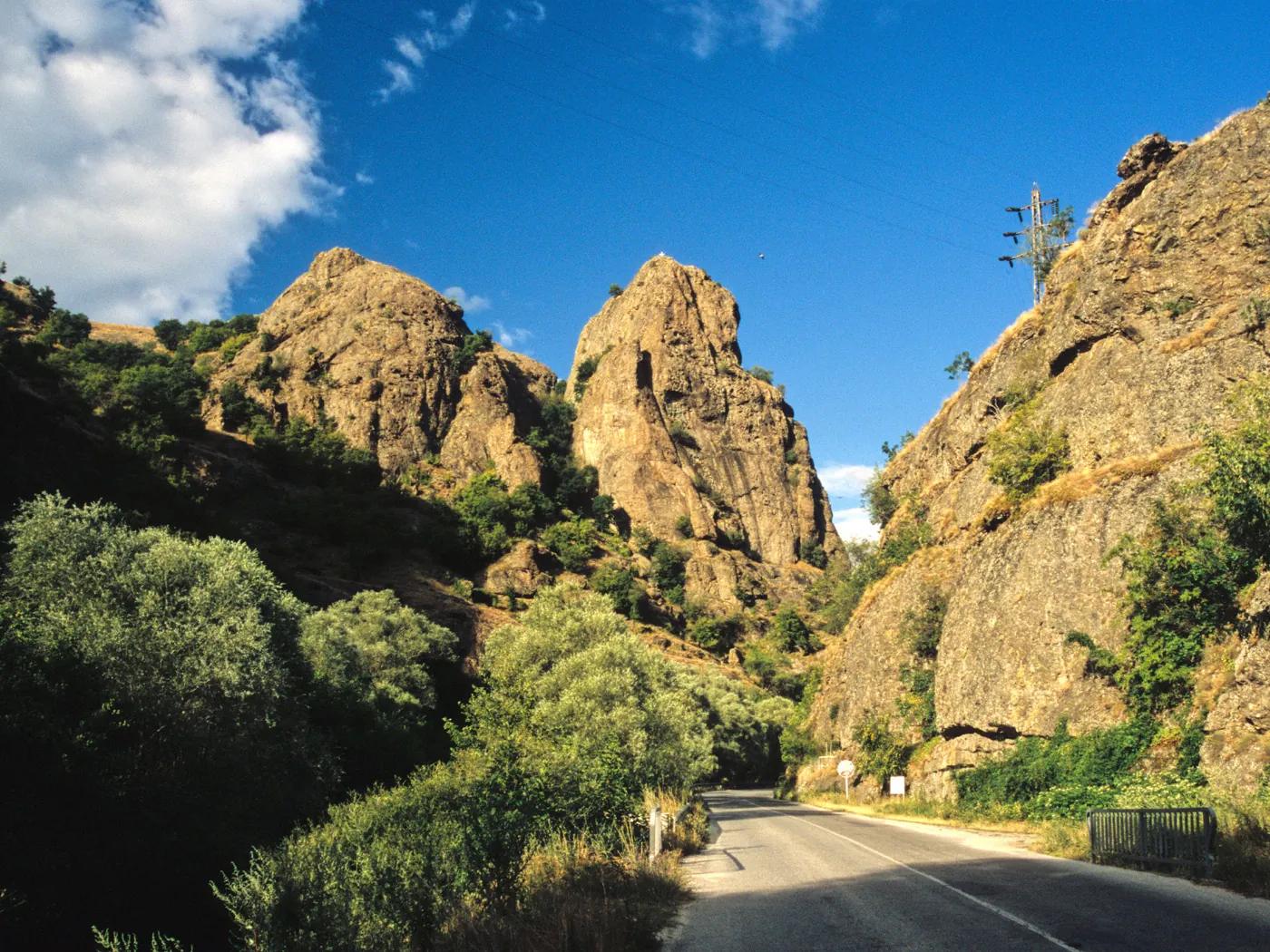
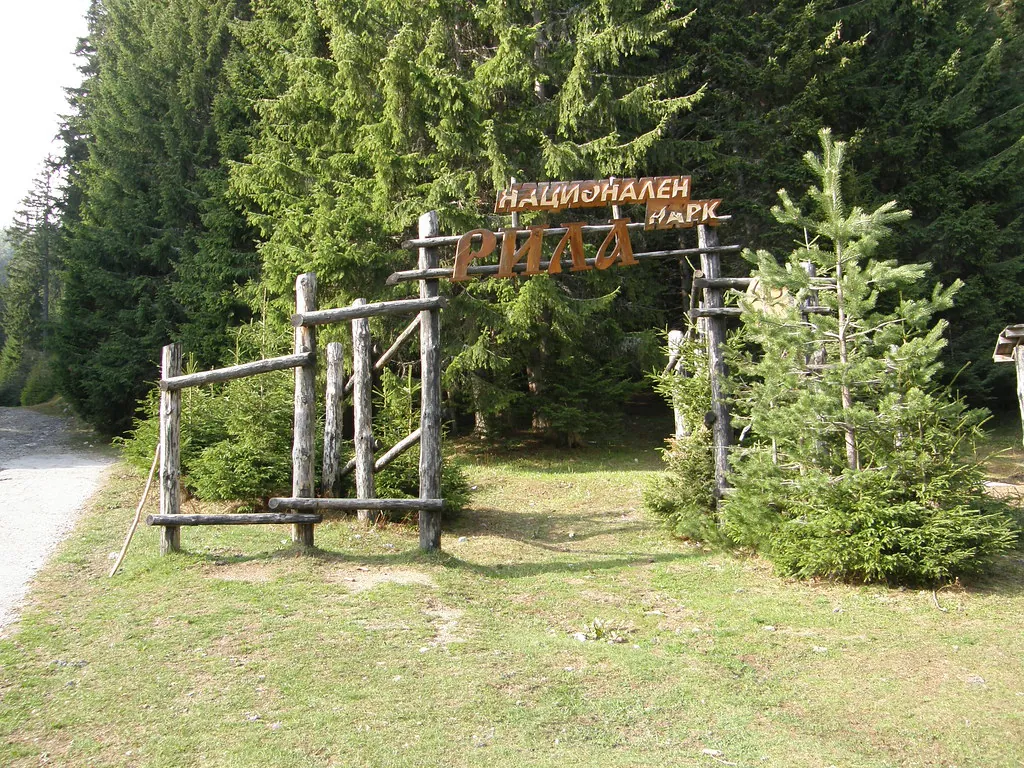
The land surrounding the sanctuary forms part of the Rila Monastery Forest Reserve, an ecologically sensitive zone within UNESCO World Heritage parameters and managed under the official Rila National Park Directorate. The valley contains old-growth spruce, silver fir, and Balkan pine, providing habitat for wild chamois, brown bears, and rare mountain eagles.
Gentle walking routes follow the rushing Rilska River, offering cold glacial water spots and shaded wooden benches. Walking these quiet forest paths provides a refreshing contrast to the main plaza, allowing you to appreciate the wild wilderness that drew Saint Ivan to this valley over a thousand years ago. Always stick to designated trails to protect sensitive alpine soil and plant life.
Trekking to the Seven Rila Lakes
Many travelers wonder if they can hike directly from the monastery grounds to the famous Seven Rila Lakes. While map distances look short, the direct ascent involves an intense alpine trek gaining more than 1,200 metres in altitude over steep, exposed mountain ridges. This path demands sturdy hiking boots, weather gear, and good mountain endurance.
Casual hikers wishing to visit both sites in a single journey should consider a dedicated Seven Rila Lakes and Rila Monastery day tour, which handles high-altitude road connections efficiently. Experienced long-distance trekkers can connect from the valley onto the European E4 or E8 hiking routes, which lead past Ivan Vazov hut and Malyovitsa Peak. For ideas on connecting this region to a broader national route, read our Bulgaria travel itinerary guide or our timing breakdown in the Sofia to Rila day trip itinerary.
“The true magic of Rila lies in the quiet hours after the tour buses depart, when the mountain air cools and sound falls back to wind in the pines and water over stone.”
Photography Guide & Travel Advice
Capturing memorable photographs of the complex requires an understanding of both light and religious etiquette. The most striking exterior angles are available early in the morning from the Samokov Gate archway, where golden sunlight illuminates the black-and-white archways against the granite peaks behind them. Another excellent angle is standing near the base of Hrelyo’s Tower to capture the contrast between medieval stone walls and timber residential balconies.
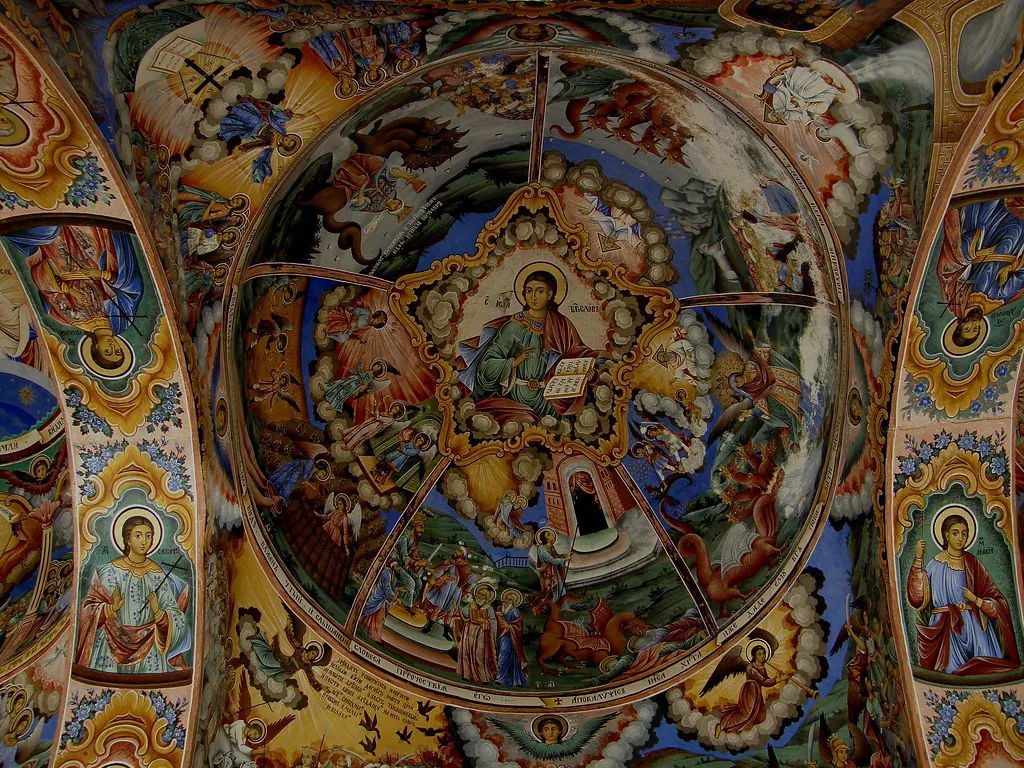
Photography is strictly banned inside the main church and within museum galleries to protect centuries-old frescoes and delicate parchment from flash light damage. Always respect posted signs and refrain from using tripods in narrow walkways. For full details on modest attire and sacred etiquette, review our monastery visitor rules and etiquette.
- Cash Requirements: Museum ticket counters, souvenir stalls, and local bakery vendors selling fresh mekitsi (traditional fried dough) accept Bulgarian Leva (BGN) cash only.
- Overnight Stays: Basic guest rooms inside the monastic wings can be booked in person or by phone for quiet overnight stays, offering early morning access before day groups arrive.
- Mountain Weather: Temperatures in this mountain canyon drop rapidly once the sun falls behind the peaks. Always pack a fleece or windproof jacket, even during midsummer visits.
- Environmental Protection: The surrounding valley operates under strict reserve rules enforced by the Ministry of Environment and Water. Carry all trash out and keep dogs on leashes at all times.
Whether you come to admire micro-carvings in the treasury, hike through ancient pine forests, or spend quiet moments inside centuries-old stone chapels, this sacred valley is a serene mountain destination which every traveler should leave time for.