Experiencing Rila Monastery in Winter: Snow-Capped Magic
The Silent Transformation: Rila Monastery in Winter
Living in Sofia for several years after swapping the grey commute of London for the Balkan foothills, I have come to appreciate how seasons reshape Bulgaria. Autumn brings golden beech foliage across the mountains, and summer fills the valleys with crowds of day-trippers. Winter, however, strips away all distraction. When snow covers the pine forests of the Rila valley, Rila Monastery retreats into a quietude that feels almost ancient. The striped archways and timber balconies that look so dramatic in August sunshine take on a solemn, introspective beauty when wrapped in heavy snowdrifts.
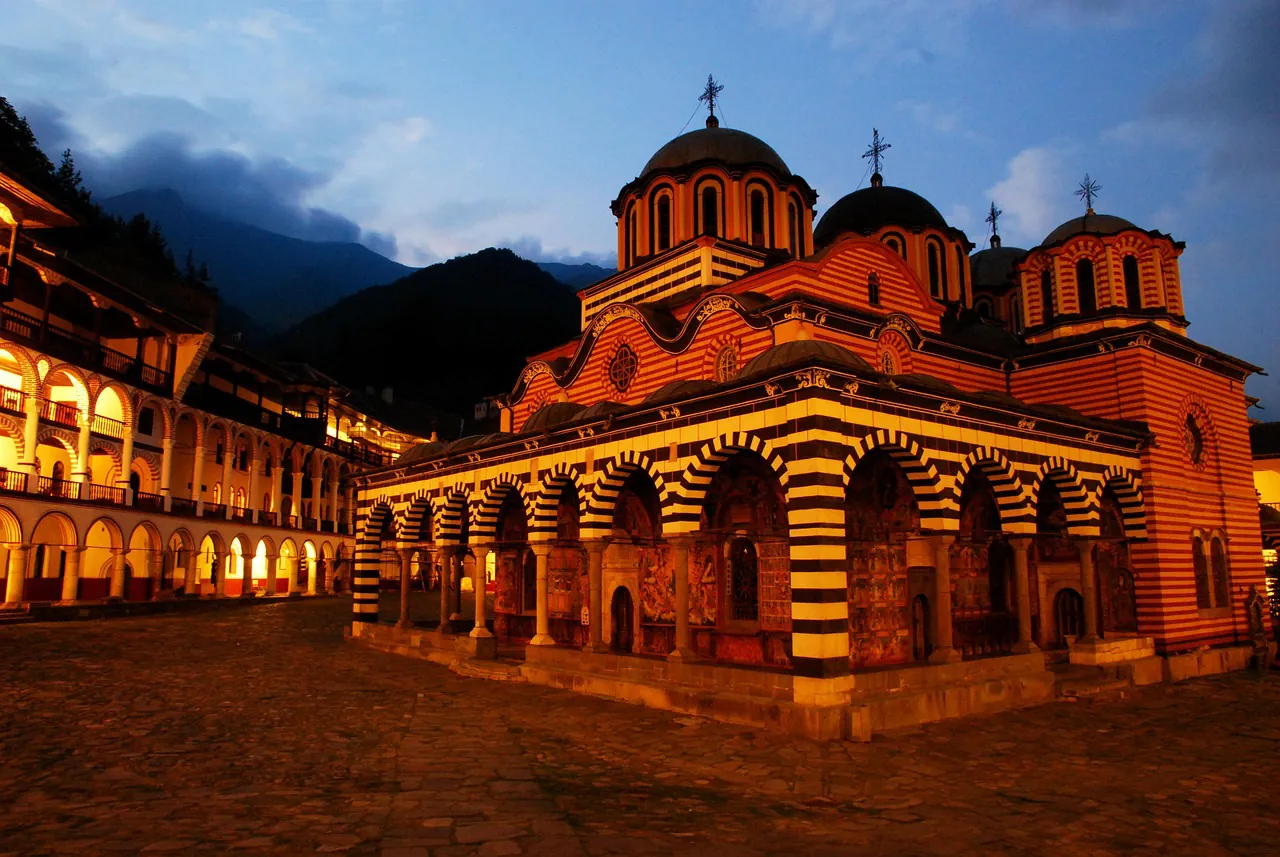
Visiting during the colder months reveals why medieval ascetics chose this mountain cleft for solitude. Stepping through the iron-studded Dupnitsa Gate on a crisp January morning, you do not hear the hum of tour buses or the chatter of souvenir shoppers. You hear the crunch of fresh powder beneath your boots and the quiet murmurs of morning vespers slipping through the heavy wooden doors of the church. For anyone curious about Bulgarian Orthodox culture and local faith, winter provides the purest, most undisturbed glimpse into monastic life.
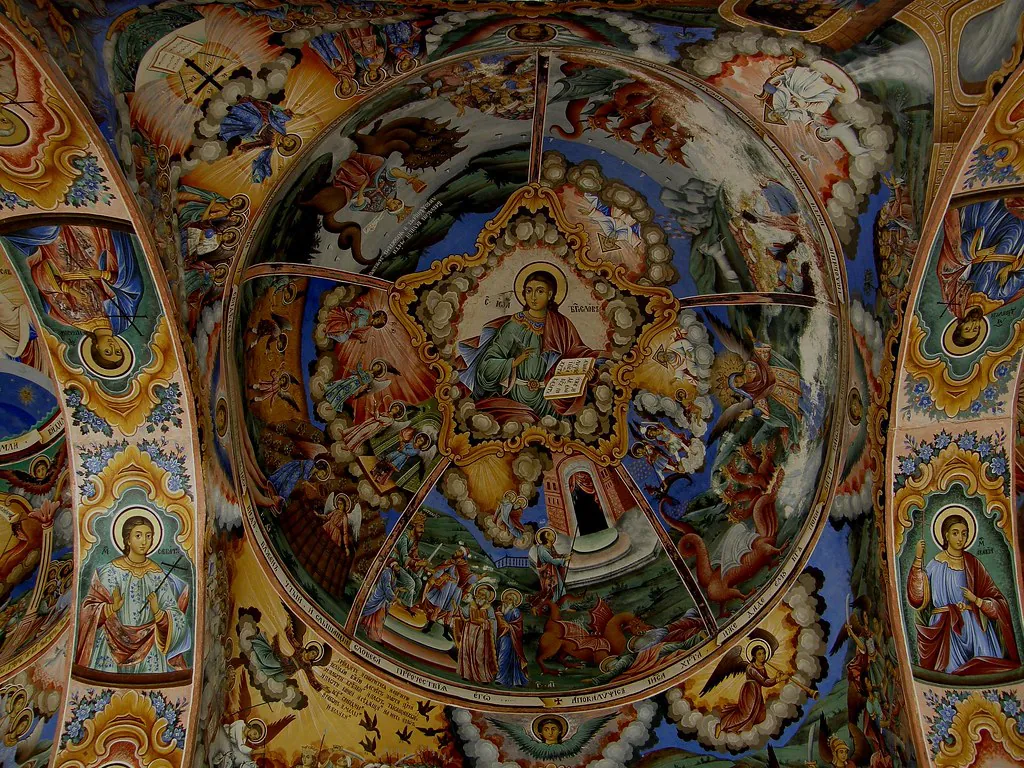
The visual contrast inside the courtyard is stark. Dark wooden beams and whitewashed walls stand against heavy white drifts that pile along the cobbles. The external frescoes painted on the outer walls of the main church pop with surreal intensity against the white background. Red, blue, and gold pigments painted by Revival-era masters appear almost luminous under overcast alpine skies. Sitting on a stone bench with a steaming flask of tea, watching smoke rise straight up from the monastery chimneys, is a far cry from the chaotic energy of city life.
Mountain Climate and Winter Logistics
Winter Weather Realities
The monastery sits deep inside Rila Monastery Natural Park at an elevation exceeding 1,100 metres above sea level. Winter weather at Rila Monastery brings temperatures that routinely hover below freezing from December through March. Daily highs rarely climb above 2°C, while night temperatures drop down to -10°C or lower. Deep snowfall is common, transforming the surrounding pine forests into a heavy winter blanket that muffles sound across the valley.
Cloud cover can roll in quickly over the surrounding granite peaks, bringing sudden temperature dips. Sunlit mornings often give way to chilly afternoon mountain fogs. Preparing for sub-zero conditions requires proper winter clothing, insulated boots, and thick socks. Cold mountain air drains phone batteries quickly, so keeping electronics tucked away in an interior coat pocket is a essential trick for cold weather travel.
Driving and Transport Safety
Reaching the monastery from Sofia involves a two-hour journey south along the Struma Highway (A3) before turning onto Highway III-107 through Kocherinovo. Snowploughs clear the main approach road regularly, but icy patches remain common around sharp elevation bends. Winter tyres are legally required in Bulgaria between November 15 and March 1, and carrying snow chains in your boot is recommended during active storms. Drivers should check current road conditions on the Bulgarian Road Infrastructure Agency Portal prior to setting off.
Public bus options are limited in winter, making driving or arranged transportation necessary. If you prefer not to navigate mountain passes yourself, booked small-group transfers like the Rila Monastery and Boyana Church Day Tour provide reliable transit with experienced local drivers who know teh mountain roads well.
Exploring the Monastery Grounds in Sub-Zero Temps
Courtyard and Church Architecture
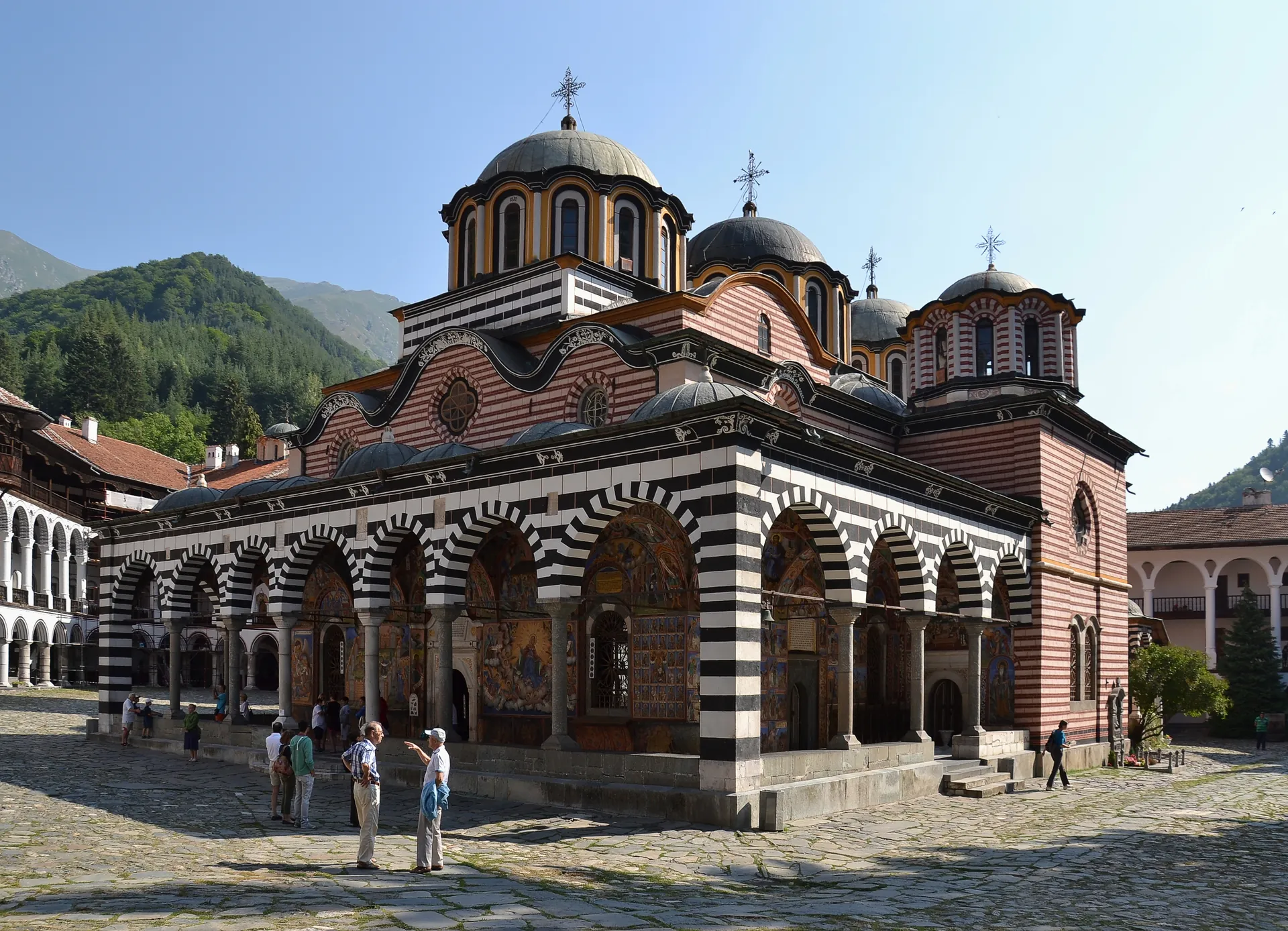
The central courtyard of Rila Monastery stays open daily, providing free access to visitors year-round. At its heart sits the Church of the Nativity of the Theotokos, flanked by Hrelyo’s Tower, a stone fortification erected in 1335. Snow collects on the tiled roofs and wooden galleries, emphasizing the geometric lines of the Bulgarian Revival style. Stepping inside the main church offers instant shelter from biting wind, though the unheated interior remains chilly. Dim light flickers across gilded iconostases while beeswax candles scent the stone hall.
Visitors must observe basic monastic etiquette regardless of season. Strict standards apply inside sacred buildings, as detailed in our guide to monastery visitor rules and dress codes. Keep voices lowered and refrain from flash photography in the church courtyard. Those seeking insight into the rich history of Saint Ivan of Rila can review details on monastery origins and artistic frescoes before visiting.
Monastic Solitude and Crowds
The most obvious reward of visiting in winter is the dramatic decrease in visitor numbers. Peak summer months bring thousands of tourists daily, creating packed courtyards and busy parking spaces. In January, you may find yourself sharing the entire complex with only a dozen other visitors and a few resident monks going about their duties. This space offers a rare chance to take unhurried photos and absorb the stillness of the mountain valley.
Because tour groups are sparse, interactions with locals feel warm and unhurried. You can wander through the arcades slowly, admiring the detail on timber pillars without stepping around large crowds. If you wish to learn more about booking guided winter options, see our overview on tickets and guided excursion packages.
Winter Trails and Hearty Mountain Food
Hiking Realities: Safe Winter Walks
High-altitude trails across Rila National Park, including routes toward the famous Seven Rila Lakes, are blanketed in deep snow during winter. These alpine passes carry serious avalanche risks and require winter mountaineering gear, making them unsuitable for casual day-trippers. For safe winter walking, stick to lower elevation trails tucked away along the river valley floor. You can review safe options on our page dedicated to museums and hiking trails around Rila.
A rewarding winter walk leads to the Cave of Saint Ivan of Rila (*Peshtera na Sveti Ivan Rilski*), located about four kilometres east of the main gates. The packed forest trail winds past frozen streams and snow-laden pine trees. The walk takes under an hour each way, leading to the narrow stone cave where the hermit monk lived in. A seamless option is joining a structured Rila Monastery and St. Ivan Cave Day Trip, which combines transfer logistics with guided winter walking.
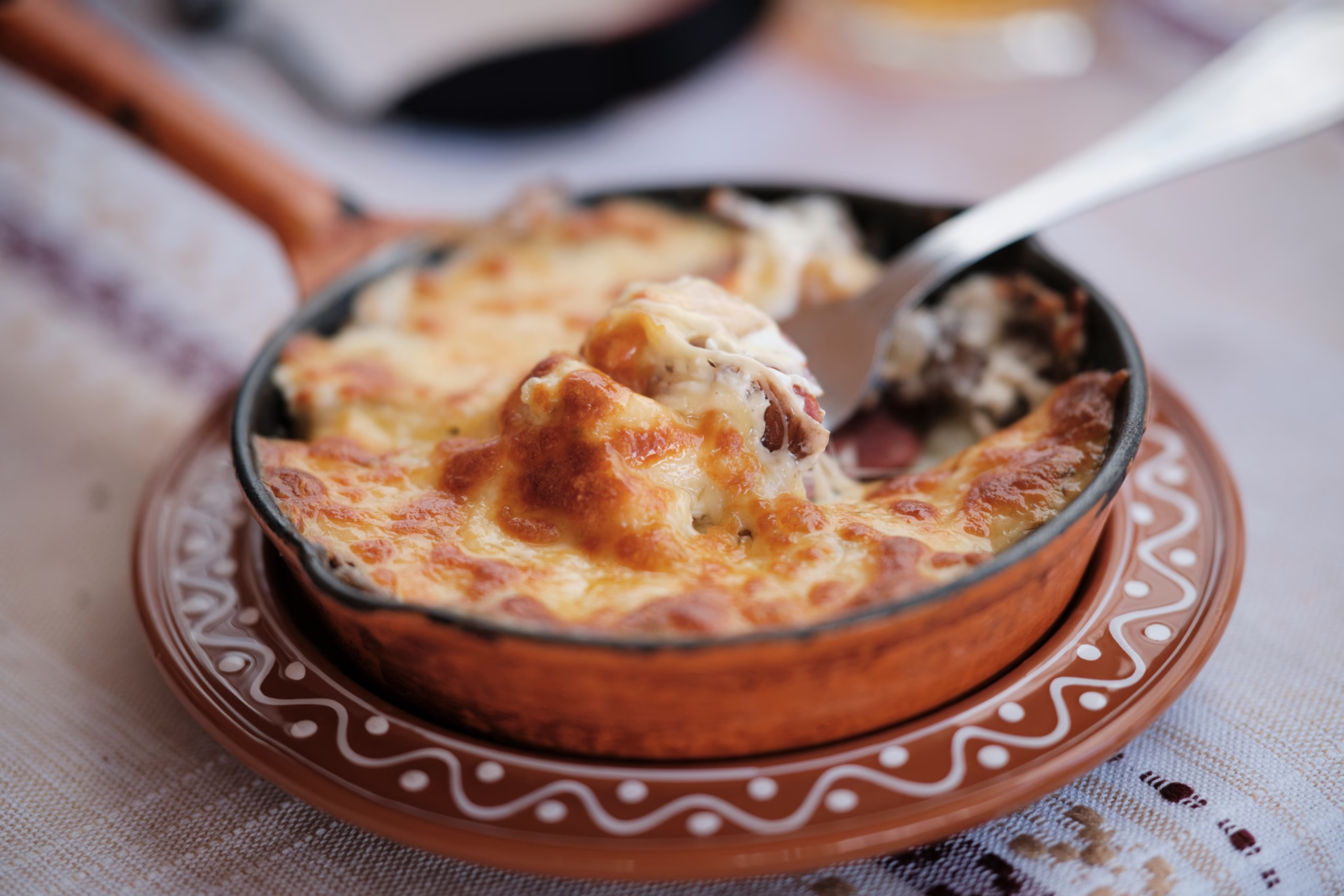
Warm Local Dishes near the Gates
After hours in cold mountain air, hot food is essential. Right outside the rear monastery gates, small bakeries sell hot *mekitsi* (traditional fried dough dustings of icing sugar) served with local sheep cheese (*sirenje*). Paired with a hot cup of black tea or Turkish coffee, it makes an ideal mid-morning snack.
For a sit-down meal, rustic taverns (*mehana*) lining the main road serve hearty Bulgarian mountain cuisine. Try a piping hot bowl of *bob chorba* (minted bean soup), grilled trout caught from the nearby Rilska River, or a clay pot dish of *kebapche* baked with sirene cheese. These warm spots offer wood-burning fires where you can dry off boots while planning your return journey.
Practical Checklist for a Winter Visit
Planning ahead makes all the difference when traveling into mountain regions during sub-zero weather. Operating schedules shift slightly in winter, so keep these key operational details in mind when arranging your trip.
| Facility / Attraction | Winter Operating Hours | Admission Fee |
|---|---|---|
| Monastery Courtyard & Main Church | 06:30 – 18:00 Daily | Free |
| Monastery History Museum | 08:30 – 16:30 Daily | 8.00 BGN Adults (€4.10) / 2.00 BGN Students |
| Secondary Exhibits (Hrelyo’s Tower, Ethnographic) | 08:30 – 16:30 (Subject to weather) | 3.00 – 5.00 BGN per exhibit |
For detailed route planning or public transport schedules from Sofia, Plovdiv, or Bansko, read our guide on how to get to Rila Monastery or consult our Sofia day trip itinerary guide. For specific enquiries regarding monastic services or special access, contact the monastery office directly via email at [email protected] or call the museum at +359 896 872 016.
Julian’s Winter Tip: Daylight hours are short in the Rila valley during winter. Sun vanishes behind high granite ridges by 15:30, causing temperatures to drop sharply. Plan to arrive by 09:30 so you have ample daylight to explore the courtyard, visit the museum, walk to Saint Ivan’s cave, and enjoy lunch before driving back down the mountain pass.
- Vehicle Preparation: Ensure winter tyres are fitted and windshield washer fluid is rated for sub-zero temperatures. Keep snow chains and an ice scraper in the car.
- Appropriate Footwear: Wear waterproof winter boots with thick rubber treads. Cobblestones in the courtyard get slippery when coated with ice.
- Layered Clothing: Thermal base layers, fleece mid-layers, and a windproof outer jacket are mandatory. Bring woollen hats, scarves, and insulated gloves.
- Cash in Bulgarian Leva: Credit card terminals at small bakeries and parking kiosks near the monastery can lose signal during winter storms. Carry cash for parking (approx. 5 BGN) and snacks.
- Combine Destinations: Consider combining your journey with other regional landmarks listed in our guide to the most beautiful places in Bulgaria.