Navigating Public Transport vs. Guided Tours in Bulgaria
Rila Monastery and Boyana Church Full-Day Tour
7 Rila Lakes and Rila Monastery Tour
Rila Monastery and 7 Rila Lakes Self-Guided Shared Trip from Sofia
The Seven Rila Lakes & Rila Monastery
From Sofia Rila Monastery with Boyana Church or St. Ivan’s Cave
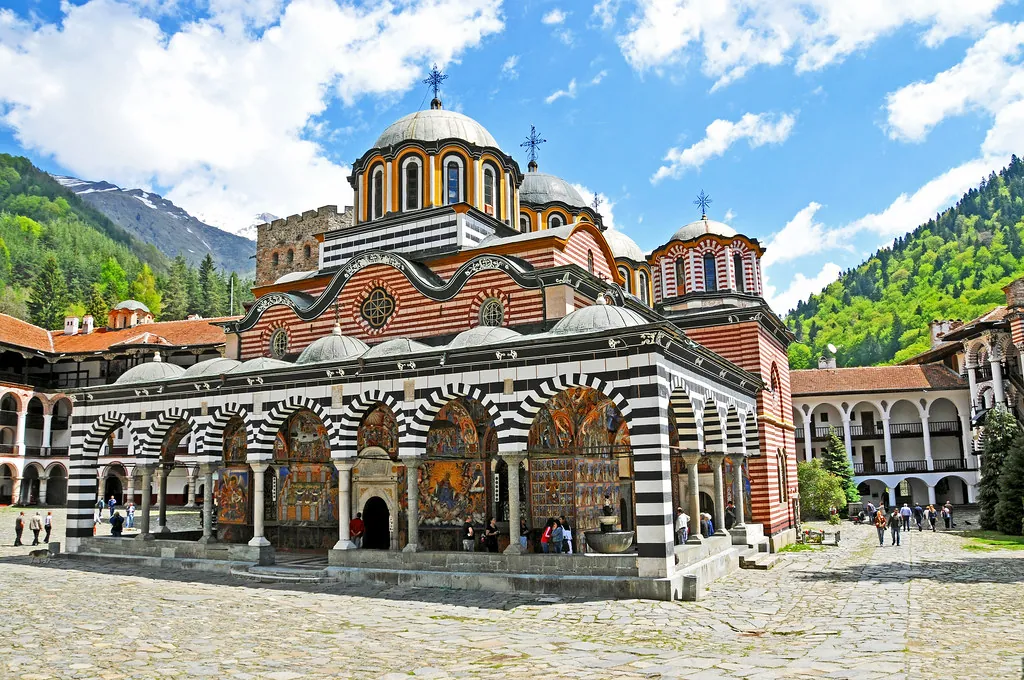
Living here in Bulgaria, I often watch tourists scratch their heads at Sofia’s central bus station, trying to decipher cyrillic timetables for a journey down to the mountains. Choosing how to reach the Rila Monastery requires proper planning because the geography is wonderfully rugged yet completely unforgiving to spontaneous transit decisions. Having moved to Sofia from London years ago, I still relish my morning coffee before heading into the wild mountain passes, but navigating local transport here requires a bit of know-how. Let us look at the realities of getting down to Saint Ivan’s historic refuge without losing your mind.
The Reality of Public Buses
Travel guidebooks printed a decade ago still mention direct buses from Sofia to the Rila Monastery, but those direct municipal routes are largely defunct outside of peak summer weekends. Relying on a direct municipal coach will leave you stranded at Ovcha Kupel station (Avtogara Ovcha Kupel) with bewildered ticket clerks shaking their heads at you. If you are determined to use local buses, you must treat the journey as a multi-stage puzzle rather than a straightforward trip. For travelers hoping for a seamless day trip from Sofia to Rila Monastery, expecting a single municipal bus ticket to take you from door to door is a common pitfall.
The Multi-Leg Public Transport Odyssey
To get there by public transit, your first leg involves catching a morning bus or train from Sofia southward to Dupnitsa or Blagoevgrad. Bulgarian State Railways operates daily regional trains from BDZ Central Railway Station taking roughly 2.5 to 3 hours down to Blagoevgrad for around 9.50 to 12.00 BGN depending on the train class. Once you arrive at either of those regional transport hubs, you need to connect to a local marshrutka (a shared minibus) heading toward Rila town, and from there hope for a rare onward connection up the narrow river valley to the monastery gates. Miss one timing window, and your afternoon evaporates in a quiet provincial bus terminal where English is rarely spoken. Check our detailed guide on how to get there and transportation options for step-by-step route breakdowns.
Express Shared Shuttles and Organized Group Excursions
Most international visitors eventually abandon the public bus idea in favor of express shared shuttles departing daily from behind the Alexander Nevsky Cathedral in central Sofia. These direct services cost approximately €25 to €30 per person round-trip, cutting travel time down significantly while removing the linguistic hurdles of rural transit. Similarly, structured day excursions run by operators like Traventuria or CityTour bundle transport seamlessly with a stop at the famous Boyana Church on the outskirts of the capital. Booking an organized sofia to rila monastery tour ensures that you do not have to coordinate three separate bus schedules in a single morning.
Local Tip: If you choose an independent group tour, check whether the itinerary grants you enough hours to actually wander up to the hermit’s cave behind the monastery, rather than just rushing you through the main courtyard for forty minutes.
Private Transfers and Car Rentals
Renting a car gives you total freedom to linger over your morning coffee in Sofia and drive up into the Rila National Park at your own pace. The mountain driving is gorgeous, winding alongside rushing rivers through thick pine forests, though parking near the monastery gates gets intensely chaotic during summer weekends. Alternatively, booking a private driver offers the comfort of a personal vehicle without the stress of navigating Bulgarian mountain roads and aggressive local drivers. If you want maximum flexibility to explore nearby spots or review monastery visitor rules and dress codes at leisure, private transit has obvious benefits.
Cost-to-Convenience Matrix
| Transport Style | Approximate Cost | Time Investment | Stress Factor |
|---|---|---|---|
| Multi-leg Public Bus | Low (15-25 BGN) | Full Day (6-8 hours transit) | High |
| Express Shuttle | Medium (40-60 BGN) | Half Day (4 hours transit) | Low |
| Organized Group Tour | Medium-High (70-100 BGN) | Fixed Full Day | Very Low |
| Car Rental / Private | High (120+ BGN) | Flexible | Moderate (Parking/Driving) |
Group Tours versus Independent Wandering
The Group Tour Experience
Joining an organized coach handles every logistical detail, letting you absorb the history through an expert guide’s commentary. You trade away flexibility, though, as departure times are rigid and you share the courtyards with dozens of other travelers.
The Independent Approach
Traveling under your own steam lets you stay late after the day-trippers depart, when proper silence returns to the mountain valley. You will carry teh responsibility of your own schedule, but the reward is unfiltered solitude which is what slow travel is all about.
Combining Stops and Seasonal Considerations
Packaging the medieval frescoes of Boyana Church into your transit plan makes geographic sense since it sits right at the base of Vitosha Mountain on the way out of Sofia. Keep in mind that UNESCO World Heritage regulations cap Boyana Church entries at a strict maximum of 8 visitors per 10-minute slot. This rule makes pre-booked tours or early shuttle slots almost mandatory if you want to see both locations in one trip. Winter weather alters the calculus entirely, as heavy snowpacks in the Rila Mountains occasionally require snow chains or force sudden road closures that public buses simply cannot navigate. Always check weather forecasts before committing to a remote mountain drive during shoulder seasons, or consider learning more about Bulgaria’s Orthodox heritage to appreciate the historical importance of these quiet sanctuaries.
Transport planning in Bulgaria is less about finding the absolute cheapest route and more about protecting your limited holiday energy.
Julian Thorne
Practical Booking Advice
When deciding how to book your journey, evaluating third-party platforms versus local on-site options is a key step. Booking a rila monastery tour from sofia through major platforms like Viator or GetYourGuide gives you clear advantages. You get generous free cancellation terms (often up to 24 hours prior), round-the-clock English customer support, and direct pickup from selected city hotel locations. These platforms also offer bundled packages combining expert live guides, entrance vouchers, and comfortable transfers in one smooth booking. Check out our comprehensive tickets and guided tours comparison page to see current pricing and itinerary variations.
Buying tickets on-site or attempting to arrange local transit directly through regional bus stations is certainly a valid choice for budget travelers who prefer total spontaneity. Just remember the practical trade-offs: on-site transit tickets do not offer free cancellation, language barriers at regional ticket kiosks are common, and queue times can be long during peak summer months without any included guided context or door-to-door convenience. Reserving your shuttle or excursion at least forty-eight hours in advance is smart during high season, as these popular minibuses fill up quickly with travelers eager to escape the city heat.